

Tool Restoration
Dad's Old Cutters
A simple cleanup of one of Dad's old tools, and another reminder that well-cared-for tools never really wear out.
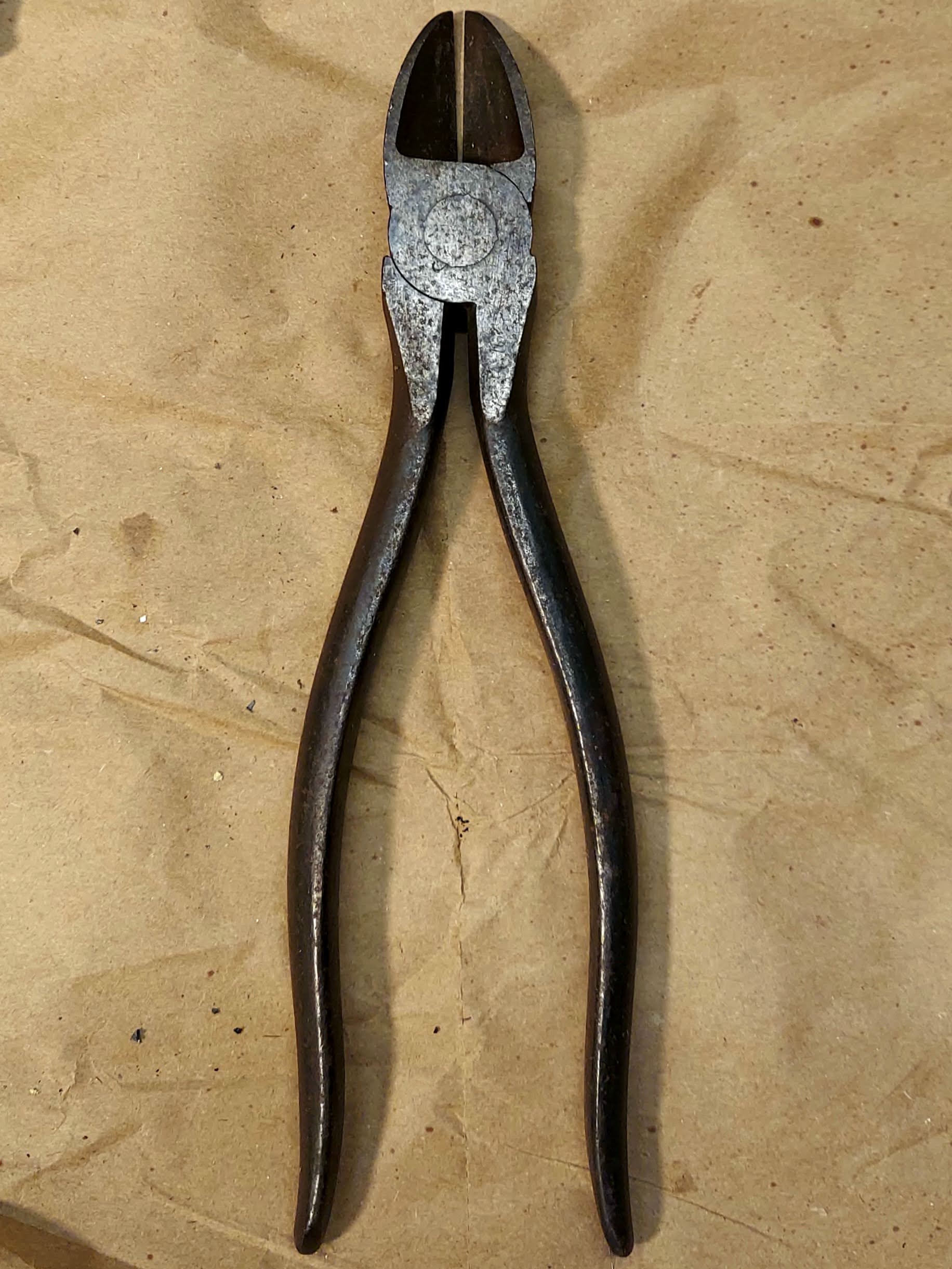
Over the years my dad gave me a number of tools, with his classic Stanley plane, and the Gerstner tool chest being the prizes. He's also given me some other hand tools - his old Barcalo linesman pliers and a pair of old Utica diagonal cutters. Let's talk about the Utica's!

Diagonal cutters are one of those tools that rarely get much attention until you need them. Whether trimming electrical wire, clipping zip ties, cutting cotter pins, or snipping small nails, they're the sort of tool that quietly earns its keep over and over again. A good pair can last a lifetime, which makes it all the more fitting that these happened to come from Dad's toolbox.
One More Tool from Dad
These seven inch Utica 39-7 diagonal cutters are a pair of pliers my father gave me a couple years before he passed back in 2022. It was always an honor when my father gave me one of his tools. Between tools, working on my childhood home with him and sports, these are some of the best memories I have of that old guy!
The History of Utica Tool Company
But, before we get too far into this, I thought I'd take a moment to talk about the Utica Tool Company. Utica Drop Forge & Tool was an early maker of pliers, nippers, and other hand tools. The company was a pioneer in the production of low-cost but high-quality pliers, and later became an important producer of adjustable wrenches as well.
The Utica Drop Forge & Tool Company was founded in 1895 by W. Pierrepont White and Hubert L. White in Utica, New York. The company initially operated as a maker of pliers and nippers, with their first address at 75 Genesee Street in Utica. This ad shows the 3 diamonds logo which Utica used from 1911 through 1950.


A Signature Grip Pattern
I love the old-school practice of each manufacturer having a signature grip pattern on pliers handles. Sometime around 1913 Utica began offering patterned handles with some of their plier models. Utica's earliest pattern was a diamond checkered field extending back from the middle of the handle, with a V-shaped opening towards the front of the pliers.
Note: This pattern is going to come up sometime in the future when I post about restoring a pair of Pexto pliers.
Every son’s first superhero is his father, and it was the same for me. For me, he was Superman and Batman combined. - Tiger Schroff
Cleaning Without Erasing History
Clean up on this one was pretty simple. I ran it through the wire brush on the bench grinder and then used a 600 grit sandpaper to it. All in all, the clean up itself took maybe 20 to 25 minutes. This is a testimony to the way my father took care of his tools. They were never in pristine condition, they didn't have a shimmering shine, but they're always well maintained and clean. That's kind of how I try to maintain high tools too.

Original Finish or New Grips?
The next thing was to decide what kind of finish. It looks like the handles were originally blued, so I considered keeping them near original by cold bluing them.
But at the time I worked on the cutters, I was on a kick for the Klein handle grips, and that's what I ended up putting on them. I like the look, and I like the way the grips feel. (And - for me the Klein tenite grips take me back some 40 years to a couple dinners I worked for an electrician).


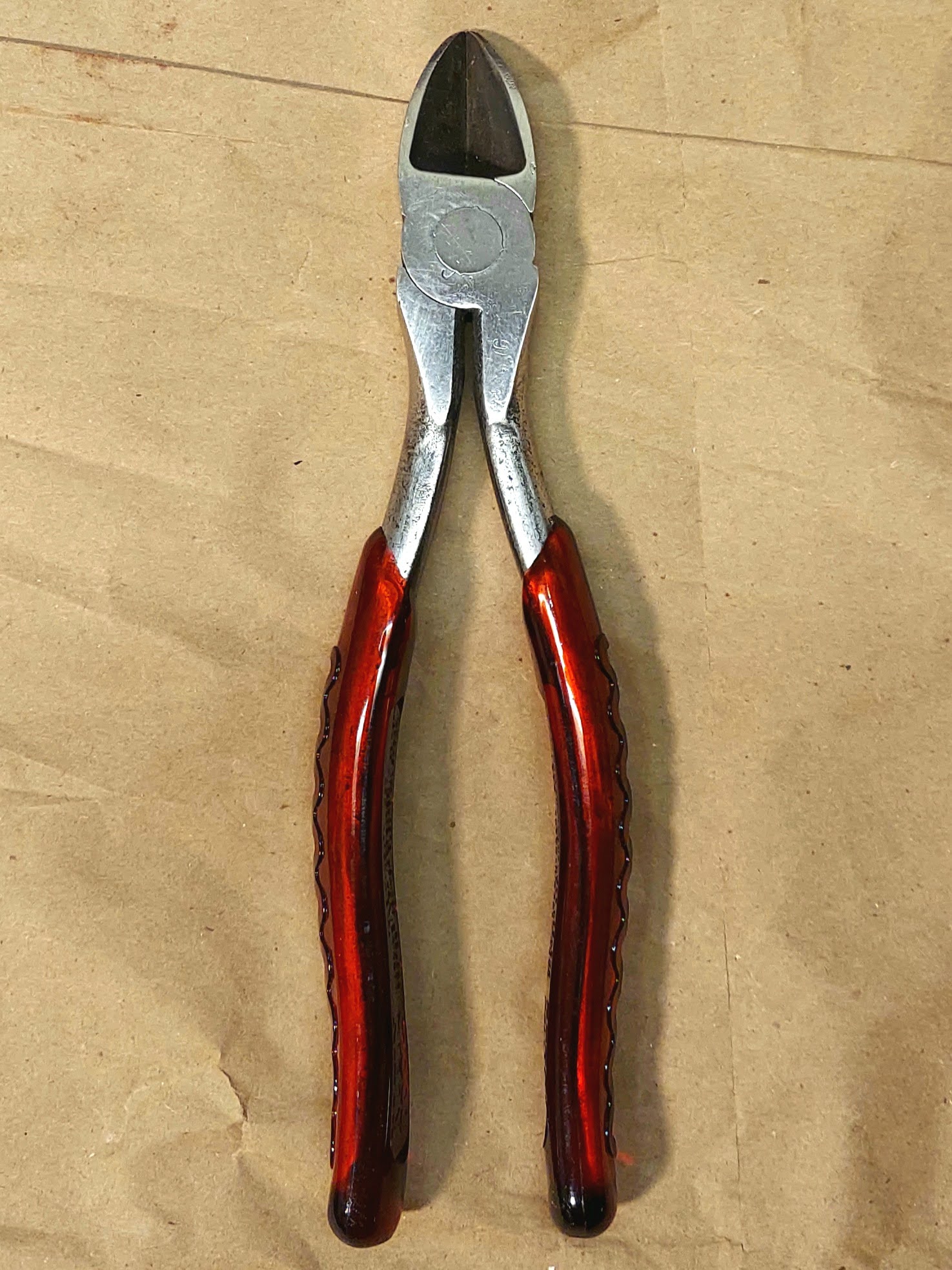
I like them so much so that now I have a small collection of pliers with those grips on them. So I think I'm kind of done with them for the time being. Although, who knows what might happen in the future!

And that's it for these cutters...a quick cleanup and a new pair of pants - all ready for the dance. Hey, thanks for droppin' by... see ya' next time!
The sentence that stuck with me wasn't about Utica or wire wheels. It was when you described how he cared for his tools: "never in pristine condition...but always well maintained and clean." That instantly painted a picture of the kind of craftsman he was. I've met people like that. Their tools weren't collectibles; they were trusted companions.I also appreciated that you didn't pretend there was one "correct" restoration. You considered preserving the original finish, then chose Klein grips because they connected to another memory from your own life. That's a wonderful reminder that restoration isn't always about returning something to factory condition. Sometimes it's about making an old tool part of your story while still honoring the person who handed it to you. - A Young Woodworker Discovering Old Tools
Frequently Asked Questions
What are diagonal cutters used for?
Diagonal cutters, often called "diagonals" or "side cutters," are designed for cutting wire, cable ties, small nails, cotter pins, and other metal or plastic materials. Unlike pliers that grip or twist, diagonal cutters use hardened cutting edges that meet at an angle, allowing them to make clean, flush cuts. They're considered essential tools for electricians, mechanics, and DIY homeowners alike.
Why are vintage Utica pliers still popular?
Utica earned a reputation for producing durable, well-made hand tools from high-quality forged steel. Many vintage examples remain fully functional after decades of use because of their robust construction and precise machining. Collectors appreciate their history, while users value their performance and comfortable handle designs.
Should old pliers be restored or simply cleaned?
If the pliers are mechanically sound and only show surface wear, a careful cleaning is usually the best approach. Removing rust, polishing the steel, lubricating the pivot, and protecting the finish preserves both functionality and character. Over-restoring can erase the honest signs of use that make vintage tools interesting.
Can replacement grips improve old hand tools?
Yes. Modern replacement grips can make vintage pliers more comfortable to use while extending their working life. Many restorers choose to preserve the original appearance, while others prioritize usability by installing new grips. Both approaches are valid, depending on whether the tool is intended for display or everyday work.
Why do inherited tools often become favorites?
Inherited tools carry stories that new tools simply can't. Every worn edge, polished handle, and scratch reflects years of real work performed by someone you knew and respected. Using those tools becomes a way of continuing their story, making them valuable not only for what they do but for what they represent.
Keywords
Utica 39-7, Utica diagonal cutters, vintage Utica pliers, diagonal cutters, tool restoration, vintage hand tools, Utica Tool Company, Klein plier grips, inherited tools, House 173